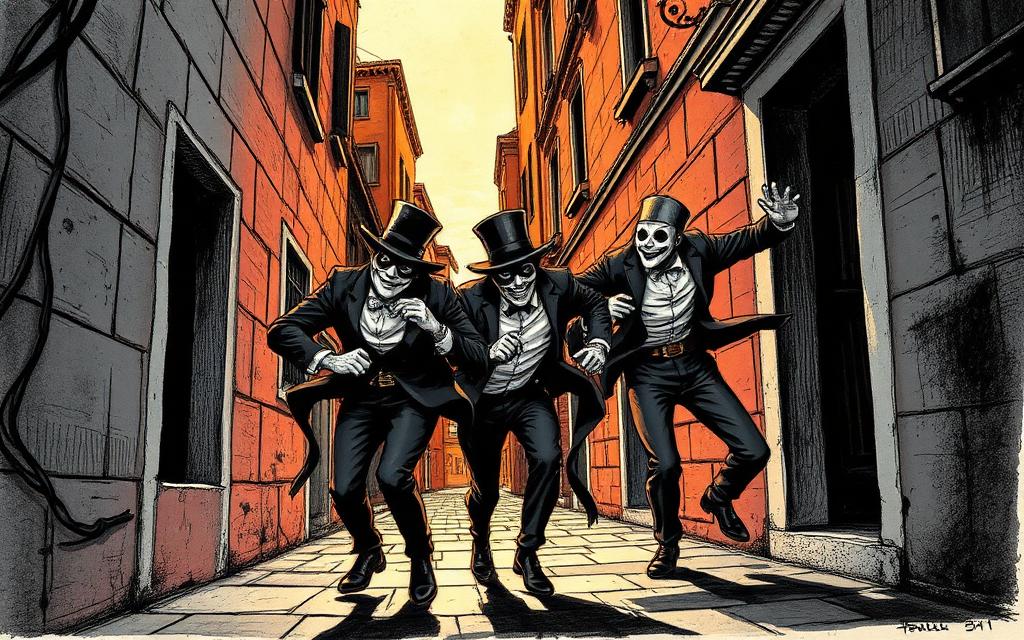
Scene I.
"Stop, thief!" cries Pantalone, who has stolen nothing he can remember. Arlecchino runs anyway — running is the only honest thing he knows.
Join the Gelosi Troupe as they improvise their way across the plague-ridden streets of 1570s Venice, armed with nothing but leather masks, wooden swords, and a scenario scribbled on the back of a tavern bill.
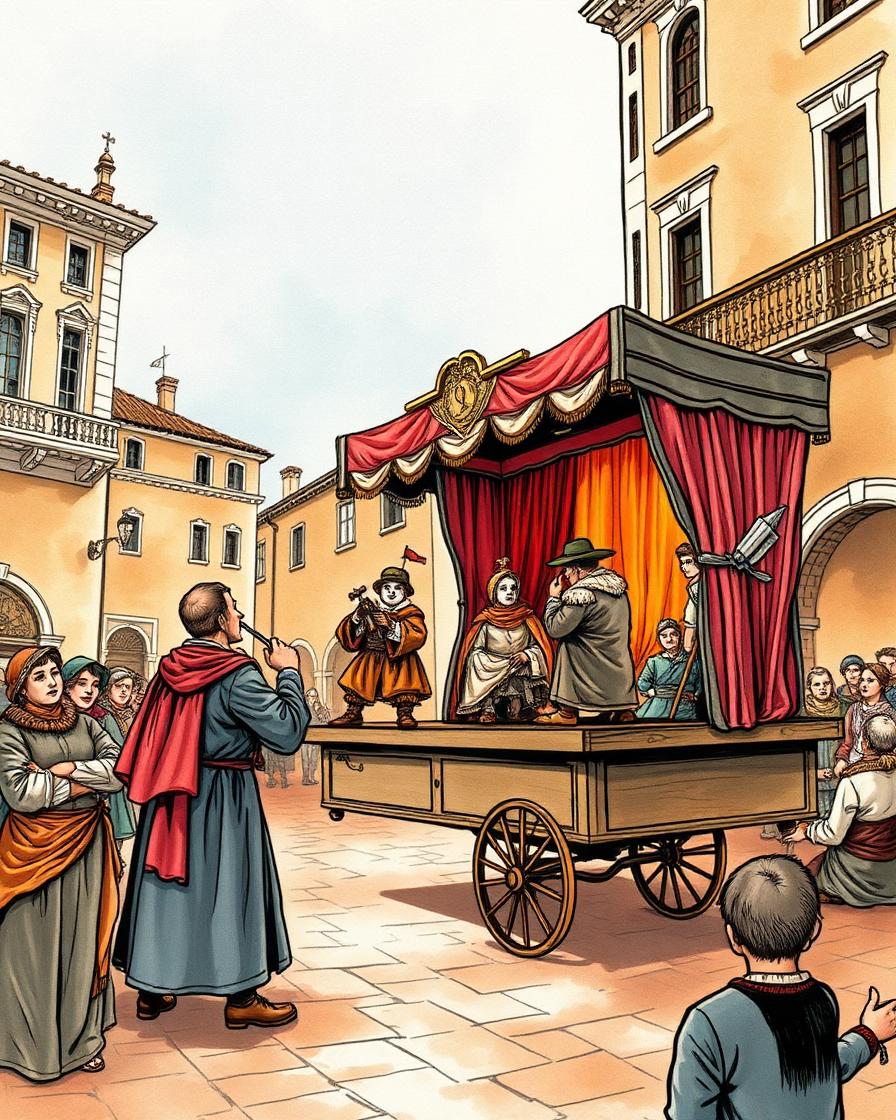
"The mask doesn't hide who you are. It reveals what you're hiding."
A traveling troupe improvises its way across Renaissance Italy.
"Stop, thief!" cries Pantalone, who has stolen nothing he can remember. Arlecchino runs anyway — running is the only honest thing he knows.
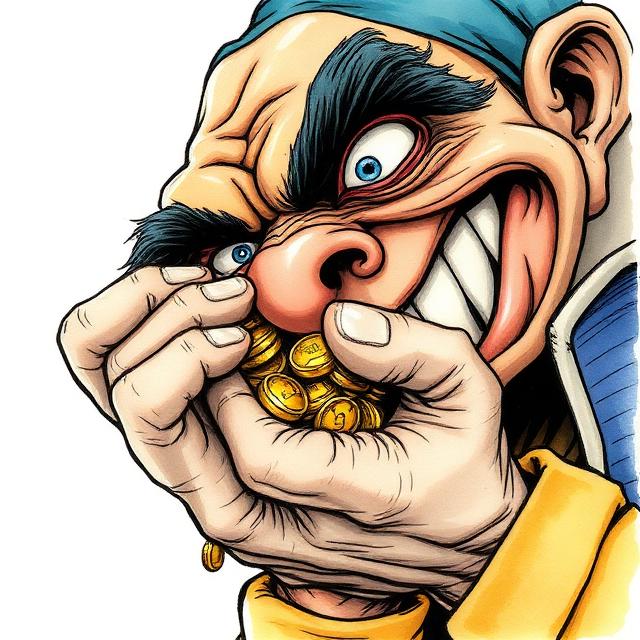
Pantalone counts the coins. Then he counts them again. The audience laughs. He suspects them, too.
There are seven of them — Flaminio the captain, Isabella who never breaks character, two Zanni with one shared stomach, a Dottore who has read everything except the room, and a Colombina who carries the keys to all their love affairs.
By morning they will be loved, paid, or chased out of town. Sometimes all three before breakfast.
Stock characters, masks, lazzi, companies, and the rules of the piazza.
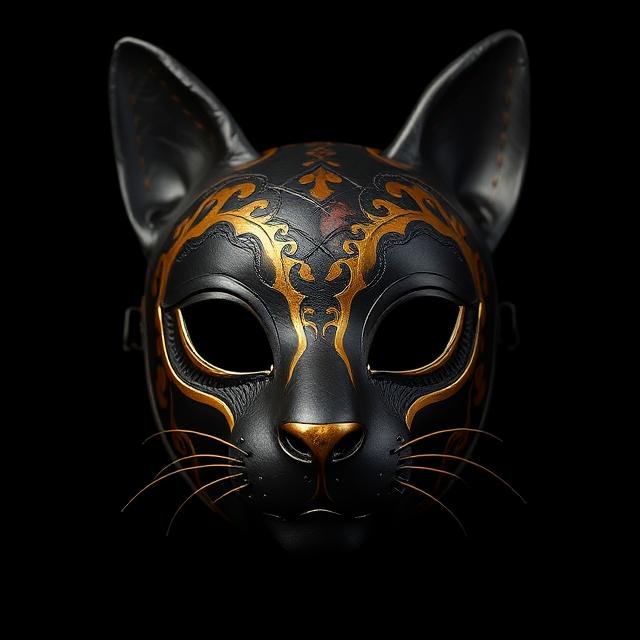
Zanni (Servant) · Bergamo
A nimble, illiterate trickster whose hunger is a religion. His diamond patches were once rags sewn by a poor mother — he wears poverty like a uniform.
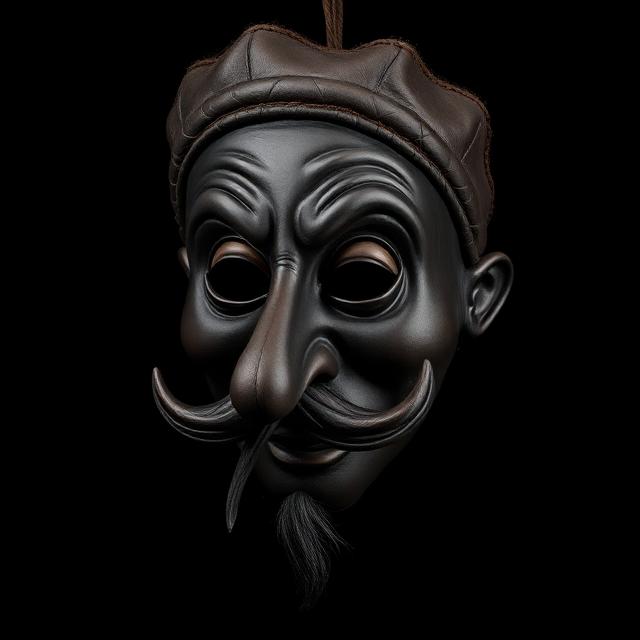
Vecchio (Old Man) · Venice
The miserly Venetian merchant. Obsessed with gold, suspicious of his daughter, perpetually outwitted by his own servants. Walks bent like a question mark.
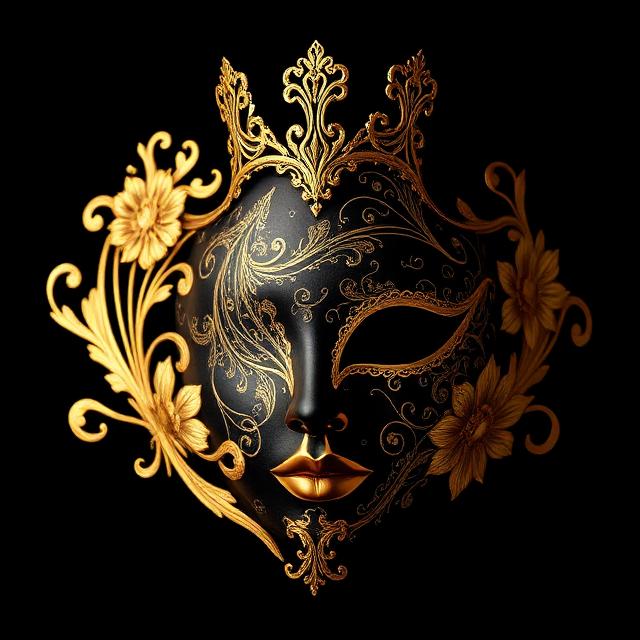
Servetta (Maid) · Generalist
The only functional brain on stage. She mocks her masters in asides, manages the chaos, and usually escapes with the moral and the money.
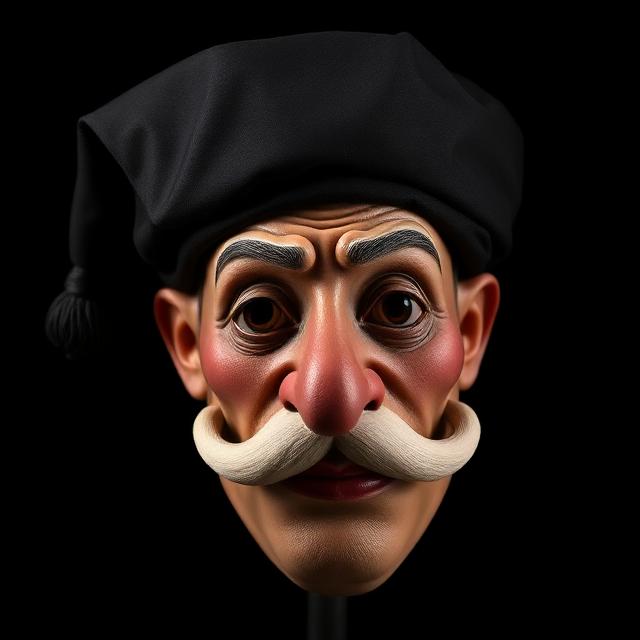
Vecchio (Old Man) · Bologna
A pompous scholar from Bologna who speaks for an hour without saying anything. His learning is decorative; his vanity is structural.
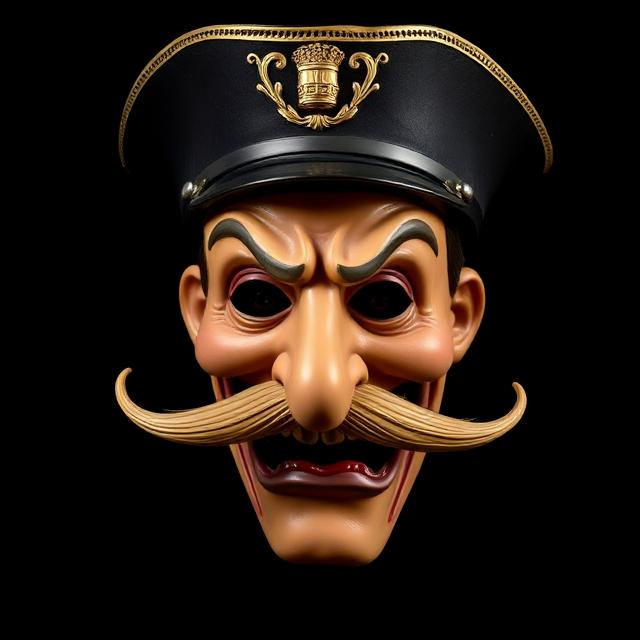
Bravado · Spanish import
A foreign soldier who boasts of battles he fled. The moment a real threat appears, his knees discover religion before his sword finds the scabbard.
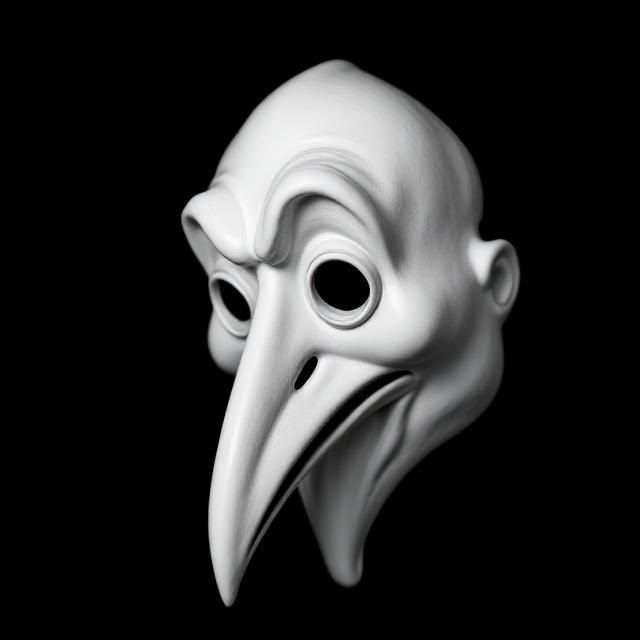
Zanni (Servant) · Naples
Hunchbacked, pot-bellied, cosmically rude. Half-rooster, half-philosopher. He survives every play by being too strange to kill.
In the piazza, the mask precedes the actor. Choose one — see what rules of motion, voice, and stance it demands.
A nimble, illiterate trickster whose hunger is a religion. His diamond patches were once rags sewn by a poor mother — he wears poverty like a uniform.
A self-contained comic bit — a routine that can be dropped into any scenario. The atom of physical comedy.
The skeletal plot pinned backstage. Three acts, twenty lines, infinite improvisation.
The one who shapes the troupe's choices before curtain — first among equals, never the auteur.
A memorized speech an actor could recycle — a love declaration, a curse, a lament — slotted in as needed.
The first international superstars. Performed for Henri III of France. Led by Flaminio Scala and the legendary Isabella Andreini.
Rivals to the Gelosi. Toured the courts of Italy and Spain. Famous for ensemble polish over individual brilliance.
The third great dynasty. Their Arlecchino, Tristano Martinelli, performed for kings and outlived two of them.
A scholarly article on improvisation, archetypes, and the long shadow Commedia casts across the development of modern comedy.
Commedia dell'Arte is not a relic of the Renaissance. It is the source code on which four centuries of comedy have been compiled. The mask is a UI. The lazzo is a function call. The canovaccio is a runtime contract.
What the Gelosi understood — and what every successful comedy writers' room rediscovers from scratch — is that improvisation is not the opposite of structure. It is what structure makes possible. The twenty-line scenario is not a constraint on the actor; it is the trellis the vine needs in order to climb anywhere at all.
Carl Jung wrote about archetypes as if he had discovered them. Commedia had been monetizing them for three hundred years. The greedy old man, the boastful soldier, the lovers, the trickster servant, the chaos agent — these are not characters. They are gravitational fields. Drop two of them in a room and a plot materializes.
The canovaccio provided skeletal structure — three acts, fixed entrances, agreed beats — leaving performers free to react to the specific energy of each crowd. The same play was never the same play twice.
The Romantic myth of improvisation imagines genius arriving from nowhere. The Commedia actor knew better. Improvisation was a decade of training: hundreds of memorized generici (speeches, curses, declarations), the full vocabulary of lazzi, the footwork of slap routines, the timing of crowd asides. The freedom on stage was the result of relentless preparation off it.
Every modern improv school — UCB, Second City, the Groundlings — teaches a version of this. "Yes, and" is just a four-century-late translation of what every Zanni already knew: the scene moves because you said the next true thing fast enough to keep the audience laughing.
Molière saw the Italians perform in Paris and took notes. Goldoni tried to write the masks out of Commedia and accidentally invented modern naturalist comedy. Punch and Judy descend directly from Pulcinella; the Marx Brothers descend from Punch and Judy; Curb Your Enthusiasm descends from the Marx Brothers. The line is unbroken.
Even forms that look least like Renaissance theatre — professional wrestling, podcast personalities, Twitch streamers, the influencer economy — are running Commedia's playbook. A fixed persona, an improvised scenario, direct audience address, the fourth wall as a porous membrane, the performer as both storyteller and target of the story.
The masks never came off. We just stopped calling them masks.
Sitcoms, sketch comedy, improv theatre, professional wrestling, internet personalities — every comic form alive today is, somewhere under the costume, still wearing one of the masks.
Locked archetypes in a recurring set. Pantalone has a corner office.
Lazzi at scale. SNL is a Commedia troupe with a writers' room.
Canovaccio reborn — Yes, and is just generici with English subtitles.
Il Capitano in spandex. Heels, faces, fixed feuds, scripted chaos.
Streamers, podcasters, influencers — masks that update in real time.